Organic Gardening and farming build on the asset the soil naturally gives us as a growing medium by supporting soil organisms and bacteria, which usually provide the nutrients and sustainable growth benefits plants need for natural growth.
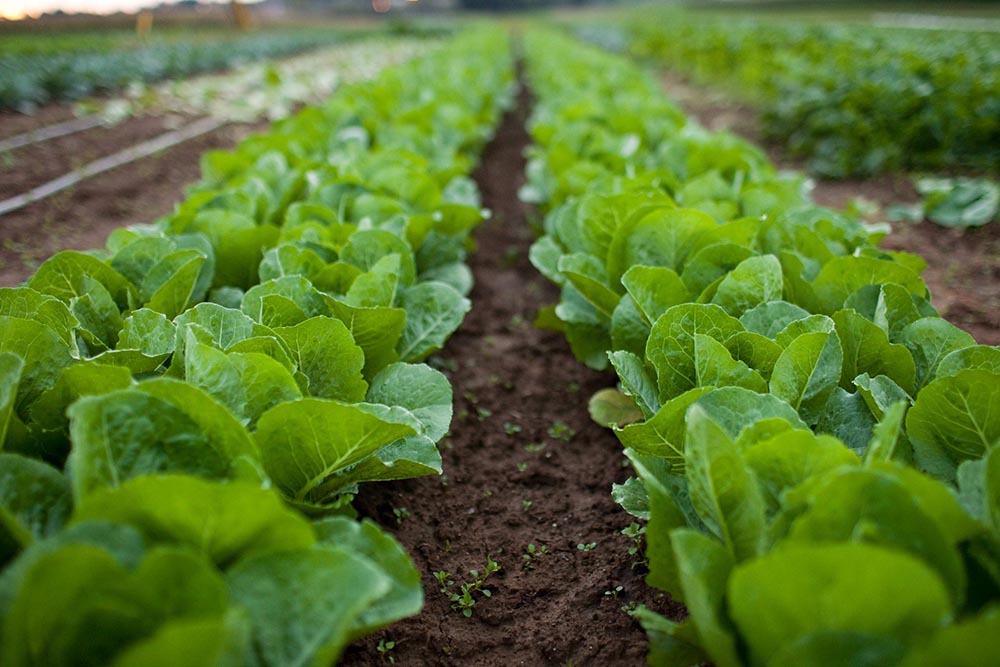
Traditional Agriculture and gardening methods use chemical approaches to feed a plant with often-synthetic versions of a natural substance to support the growth of the plant, not the growth of the soil as a living organism. The paddocks or fields in traditional agriculture are generally sprayed with a herbicide to remove any weeds and also sprayed with Pesticides to remove most other living beneficial organisms within the soil. Seeds or seedlings are then planted by drilling without any breaking of the soil surface. Repeated movement by tractors and harvesting machines also compacts the soil.
These methods are used with the idea that soil erosion is being avoided, which is a good thing. But unfortunately, the downside is the soil is being effected in other ways through the elimination of beneficial soil bacteria, compacting of the soil, toxic herbicide, and pesticide applications.
Soil works best when it is organic, loose, free-draining, and rich in microorganisms, earthworms, and beneficial bacteria. It needs repeated applications of decaying matter, manures, and similar things to enhance the quality of the growing medium.
Larger scale farms and gardens on sloping banks can benefit from the building of swales to capture and divert water as well as protect against soil erosion. Some inspiring farmers are now using hay and straw on sloping sites to cover the soil and to build barriers to prevent soil erosion. These types of methods are far more sustainable than other traditional uses.
What we do in a small home garden can be duplicated on a larger scale by utilizing the waste vegetation left after harvesting a crop and diverting it into compost or green manure depending on the type of material left after harvesting.
Combining Cropping and Grazing on the same property is a great way of eliminating weed growth by strip grazing cropping paddocks before tilling or planting. To reduce the likelihood of transferring weed seeds from one area to another, farm animals should be regularly rotated between paddocks to prevent weed plants from developing seeds. Most animals will eat annual and perennial weeds, but of the few, they won’t eat like harder perennial weeds and rushes, burning is a good option of eliminating these from a paddock.
With a little outside the box thinking and a little bit of work, we can quickly build soil up using organic Gardening and farming practices while eliminating the need for chemical additives and encouraging micro soil organisms, beneficial bacteria, and earthworms.

 Darren Farming Farm food organic life